
Sensory Regulation for Kids
Every child has a sensory system. Some crave more input. Some protect themselves from too much. Neither is wrong — both are information about how your child's brain works best. This hub brings together everything Growing Balanced offers on sensory regulation: tools, activities, articles, printables, and the OT-informed guides that make it click.
What is sensory regulation?
Your child isn't a problem to solve. They're a nervous system to understand — and support. Growing Balanced gives you the tools to do exactly that.
How this shows up in real life
Sensory regulation is the foundation of almost everything else:
Behavior makes sense
The lunchroom, the tag on a shirt, the fluorescent lights — sensory context often explains the 'why' behind the 'behavior.'
Focus and learning
A regulated body can concentrate. An overloaded one can't.
Sleep and food
Both live downstream from sensory input — small changes here can transform bedtime and mealtime.
Family connection
When your child is regulated, connection flows easily. When they're overloaded, it takes real work.
Confidence
Kids who understand their own sensory needs can advocate for what helps them thrive.
Signs your child may benefit from extra support
These aren't diagnoses — just patterns some parents recognize. If they resonate, this hub is a great place to start.
Constant motion — crashing, spinning, climbing, chewing
Big reactions to lights, sounds, textures, or smells others don't notice
Trouble transitioning after high-input environments (school, birthday parties)
Extreme food or clothing preferences that don't shift with age
Delayed potty learning (interoception cues take longer to develop)
Meltdowns that always seem to hit at the same time of day
Practical tips parents can try today
Small, actionable strategies you can weave into today. No prep required.
Move before you demand
5 minutes of heavy work (wall push-ups, carrying laundry, animal walks) before homework or a hard transition.
Build a menu, not a schedule
Pick 2-3 sensory activities each day. Rotate. Notice what works. That's it.
Watch the transitions
Kids often overflow AFTER school, not during. Plan quiet, sensory-friendly landings.
Deep pressure is a superpower
Bear hugs, weighted lap pads, burrito wraps in a blanket. Calming for most sensory kids.
Respect the avoids
Sensory needs deserve respect, not correction. A jacket without tags isn't picky — it's regulated.
Add proprioception to hard moments
Have them carry the grocery bag, wipe the table, push the laundry basket. Calm through the body.
Try one this week

Calming Sensory Jar
A sparkly, mesmerizing jar that gives kids a visual anchor while big feelings settle.
Try this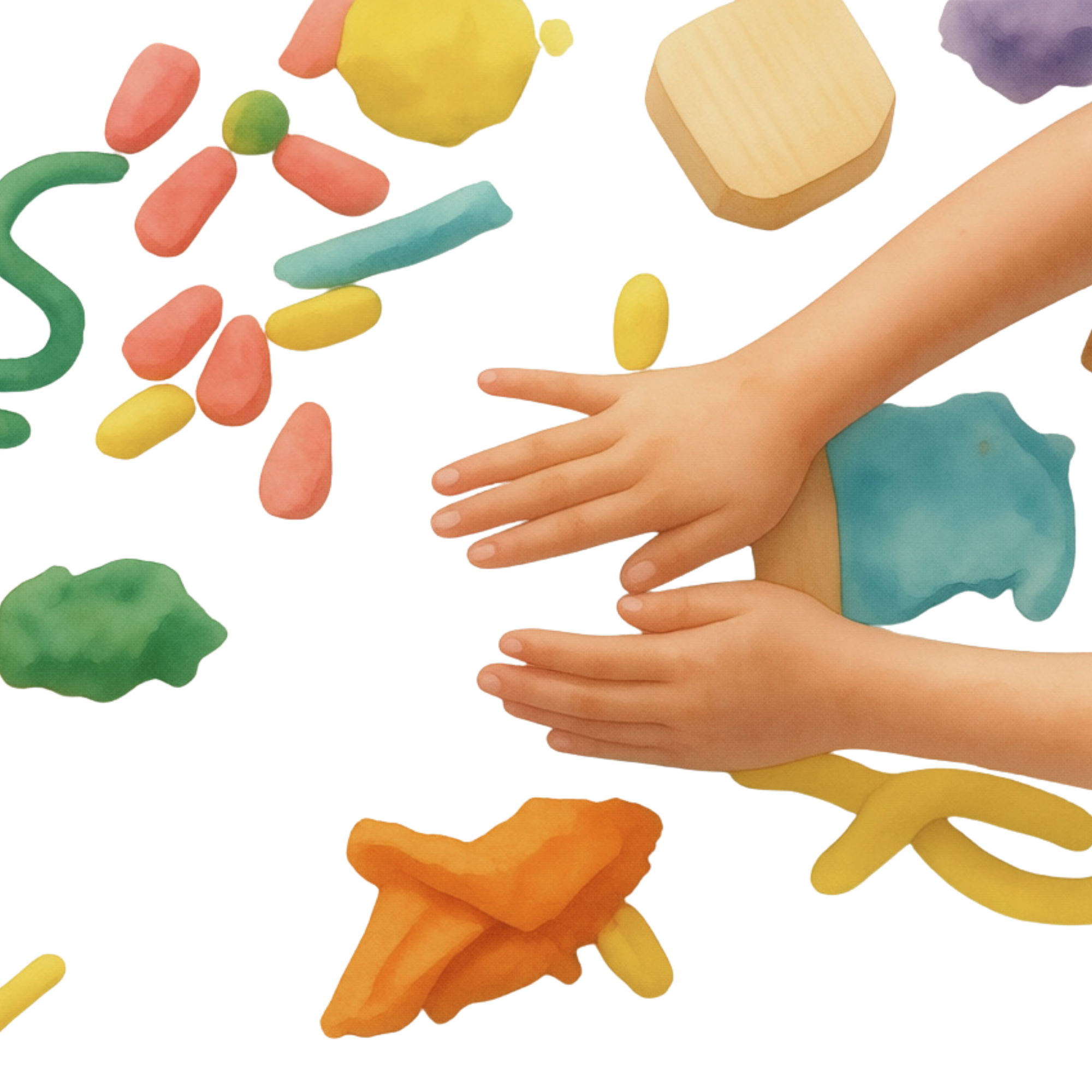
Homemade Sensory Dough
A no-cook playdough recipe that strengthens little hands while soothing big feelings.
Try this
Low-Prep Busy Bag
A grab-and-go bag of regulating activities for waiting rooms, restaurants, and travel.
Try thisGuided Help built for this topic
Free educational resources anyone can explore — roadmaps, activities, articles, and printables. No sign-up required.
Sensory Education Center
Everything parents want to know about the 8 senses, sensory profiles, and sensory diets.
ExploreSensory Tools Library
Free library of sensory tools organized by system — vestibular, proprioceptive, tactile, and more.
ExploreSensory Activities
Ready-to-try DIY sensory activities you can weave into today.
ExploreFree Printables
Sensory diet cards, movement break menus, and profile cheat sheets — free downloads.
ExploreDeepen your knowledge
Sensory Processing Explained: What Every Parent Should Know
What sensory processing is, why some kids are 'sensory seekers' or 'sensory avoiders', and how to build a simple daily sensory diet that keeps your child regulated.
Read guideEmotional Regulation for Kids: A Parent-Friendly Guide
What emotional regulation actually is (in plain English), why it's harder than it looks for little brains, and 20+ practical strategies you can use today. Written by a pediatric OT.
Read guideLatest sensory regulation articles
Grab-and-go printable supports
Practical printables you can put on the fridge, in a backpack, or on the wall today.
Sensory Diet Cards
Printable menu of proprioceptive, vestibular, and calming sensory activities.
Browse printablesSensory Profile Cheat Sheet
Quick reference for seekers vs. avoiders across the eight senses.
Browse printablesGo deeper with our parent guides
Written by a pediatric OT. Free starter guides and full complete guides available.
Complete Parent Guide
The full playbook — strategies, scripts, printables, and expert guidance.
Explore the Full GuideKeep exploring sensory regulation
A few gentle next steps parents find most helpful — pick whatever fits your family right now.
Sensory Regulation — full hub
Understand your child's sensory needs, then build a calming daily rhythm that works for real life.
Explore topicSensory Processing Explained: What Every Parent Should Know
What sensory processing is, why some kids are 'sensory seekers' or 'sensory avoiders', and how to build a simple daily sensory diet that keeps your child regulated.
Read guideSensory Regulation activities to try today
Low-prep, parent-friendly DIY activities you can weave into today.
See activitiesSensory Regulation printables
Charts, cards, and worksheets you can print today.
Browse printablesPersonalized OT Support
Get a personalized sensory diet and daily activities matched to your child's profile.
See it in actionComplete Parent Guide
The full playbook — strategies, scripts, printables, and practical implementation.
Explore the Full GuideUnlock unlimited access to Guided Help, personalized recommendations, premium resources, and everything Growing Balanced has to offer.
Frequently asked about sensory regulation
Warm, honest answers to the questions parents ask most.
Is Sensory Processing Disorder (SPD) a real diagnosis?
SPD isn't yet a standalone diagnosis in the DSM, but it's widely recognized by pediatric OTs and researchers. Many kids with sensory differences also have ADHD, autism, or anxiety — but sensory needs can exist without any other diagnosis at all.
What's the difference between a sensory need and a preference?
A preference is when a child likes or dislikes something but can move past it. A sensory need is when the child can't function well without accommodating it — meltdowns, avoidance, or dysregulation follow if it's ignored. Sensory needs deserve respect, not correction.
How much movement does my child need each day?
Most kids need MUCH more movement than they get. Aim for at least 60 minutes of vigorous movement per day — plus short movement breaks every 30-45 minutes during quiet tasks like homework.
Can weighted blankets help sensory kids?
For many kids, yes — deep pressure is calming and grounding. Rule of thumb: weight should be roughly 10% of body weight, used during rest or focus, never for extended periods. Always consult a pediatrician before using with children under 3.
What if my child hates every sensory activity I try?
Follow their lead. Some kids need tiny doses at first. Some need choice in how the input is delivered. Some need adult co-regulation with the input. If it feels like a battle, back off and try again with something simpler — like carrying laundry or a burrito blanket during a favorite show.
Is this behavior or sensory?
It's usually both. Behavior is communication. A child throwing chairs after school is likely sensory-overloaded, not defiant. Ask: what happened right before? Was there too much input, or not enough? Solving the sensory piece often dissolves the 'behavior' piece.
When should I seek a sensory evaluation?
If sensory challenges are interfering with daily life — school, sleep, food, family relationships — a pediatric OT can complete a full sensory profile and design an individualized plan. Growing Balanced is educational; it's not a substitute for a 1:1 evaluation.
Parents exploring sensory regulation may also find these helpful
Emotional Regulation for Kids
Everything you need to help your child understand, express, and move through big feelings — from an OT.
Explore topicAttention & Focus for Kids
Help your child build the focus muscles they need — through the body, the environment, and the right tools.
Explore topicCo-Regulation for Parents
Kids learn regulation by borrowing yours. Real scripts and tools for the hardest parenting moments.
Explore topicReady to take the next step?
Explore practical tools, activities, visual schedules, and parent guides designed to help your family thrive.