
Sensory + regulation made simple
Start with the eight sensory systems, learn the four common sensory profiles, explore parent-friendly sensory tools, then dive into the articles and a free sensory snapshot.
A guided tour of the eight senses
We were taught five — but the body actually has eight. Tap any system to see how it works, what over- or under-stim looks like, and the small inputs that help.
The four ways kids respond to their world
Most children lean toward one of four sensory profiles. Recognizing your child's pattern unlocks the right kind of support — and stops you from fighting their nervous system.
A gentle reminder: While many children tend to lean toward one primary sensory profile, some children may relate to more than one — or show traits from multiple profiles depending on the environment, the day, or what's happening around them. That's normal. Profiles are a lens to understand your child, not a box to fit them into.
Sensory Seeking
Their nervous system needs MORE input than average to feel just right. Movement, pressure, sound, or touch help them feel organized and alert.
- Constantly moving, climbing, jumping
- Loves loud, fast, or messy play
- Crashes into things on purpose
- Talks loudly, hums, or makes mouth sounds
- Trouble sitting still during dinner or homework
- Getting in trouble for being 'too rough'
- Tantrums when active play is taken away
- Build heavy work into their day — before school, before homework, before bed.
- Offer 'big body' breaks every 20–30 minutes.
- Use 'first/then' — first sit with you for 10 minutes, then big movement.
- Plan for movement, don't punish it.
Sensory Avoiding
Their nervous system is on high alert and finds typical input overwhelming. They actively pull back from sensations to feel safe.
- Avoids messy play, hugs, or rough textures
- Hates loud places, bright stores, big crowds
- Refuses certain foods or clothing
- Picks the same routines every day
- Meltdowns in busy or unpredictable settings
- Refusing transitions or new experiences
- Saying 'I can't' or 'it's too much'
- Predictable, calm environments. Warn ahead of changes.
- Smaller doses of new input — start tiny and build slowly.
- Honor their 'no' — sensory overload is real.
- Calming activities first, then gentle exposure.
Sensory Sensitive
Notices sensations more strongly than average but doesn't always avoid them. They feel the tag, the squeaky chair, the hum of the fridge — all at once.
- Bothered by clothing details others don't notice
- Easily distracted by background sounds
- Tires quickly in busy environments
- Frequent complaints about food, clothes, or noise
- Slow to settle or fall asleep
- Emotional 'fuse' that runs short by end of day
- Quiet recharge time built into the day.
- Reduce background clutter (visual + audio).
- Validate ('I know that tag is bugging you') and problem-solve together.
- Plan tough errands when they're rested.
Low Registration
Their nervous system doesn't notice typical input until it's very strong. They may seem 'in their own world' or slow to react.
- Doesn't respond when called
- Misses social cues
- Doesn't notice spills, messes, or scrapes
- Slow to start tasks
- Drifting off, daydreaming
- Forgetting to eat, drink, or use the bathroom
- Needing instructions repeated several times
- Big, alerting input first — jumping, fast movement, cold water.
- Use multiple cues — say their name AND touch their shoulder.
- Bright colors, music, or rhythm to grab attention.
- Build energizing breaks into long quiet tasks.
Tools that turn hard moments into manageable ones
Parent-friendly explanations of the tools occupational therapists actually use — what each one does, when to reach for it, and what to look for.

Body Sock (Sensory Sock)
A stretchy lycra tube that hugs the whole body — kids climb in for instant deep-pressure calm.

Chewelry & Chewable Necklaces
Wearable, food-grade silicone chews that give kids a safe, socially-friendly oral input throughout the day.
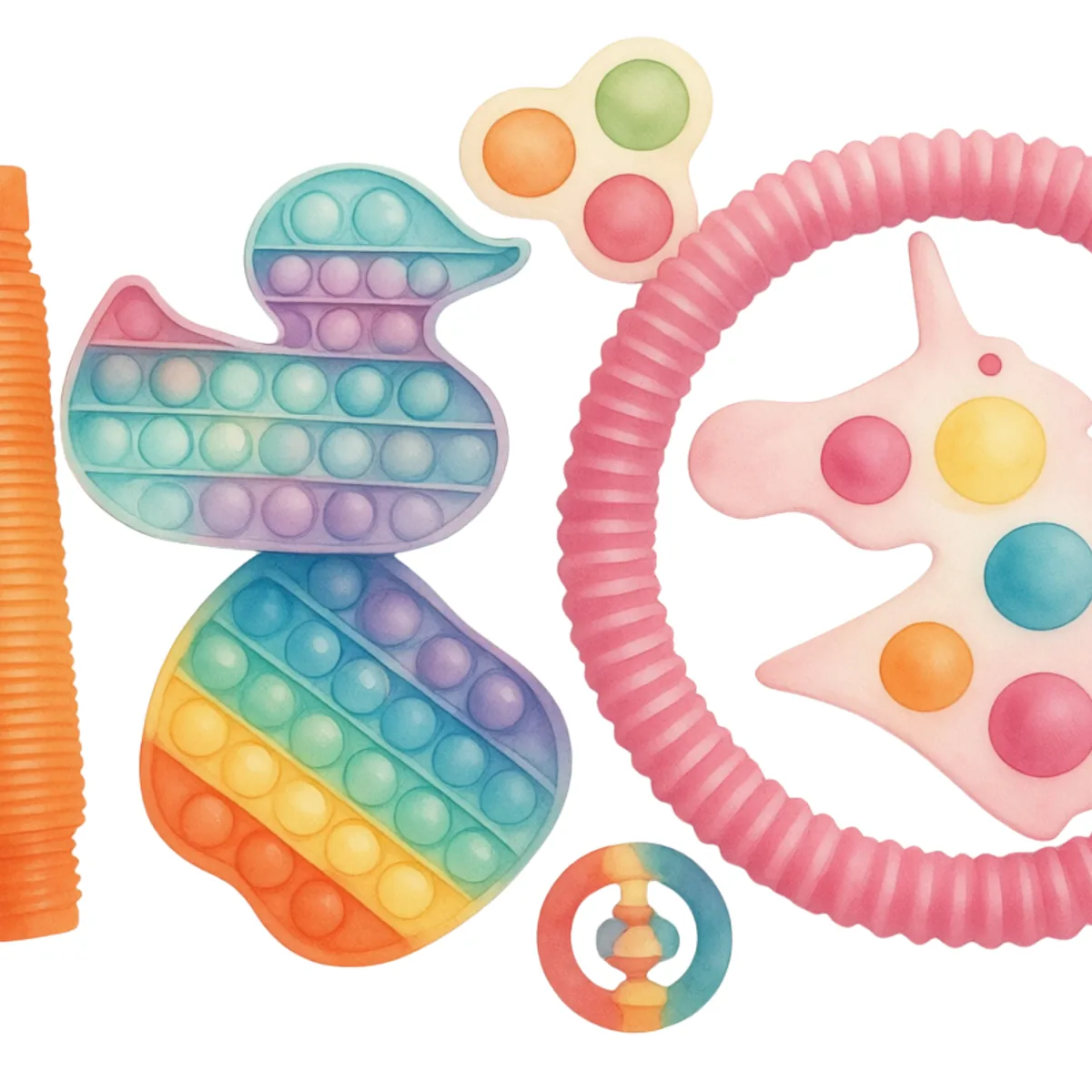
Fidget Toys
Small handheld objects that satisfy the need to move without disrupting the body's main focus.

Kinetic Sand & Therapy Putty
Mesmerizing tactile mediums that build hand strength while soothing big feelings.



Articles & deeper guides
Quick reads on the foundations: how regulation works, what dysregulation actually looks like, and the strategies that move the needle.

Alerting Strategies — When You Need to Wake Up the Brain
Sluggish, foggy, can't-engage mornings — and the simple inputs that help.

Calming Strategies That Actually Work
A field-tested toolkit for the moments when your child needs to come down.

Meet the Sensory Systems (a parent's intro)
We were taught five senses. Kids actually have eight — and understanding them changes everything.

Over- vs Under-Stimulation
Same kid, opposite needs. Here's how to tell which one you're seeing — and what to try.

Regulation
Why some days your child is a different human — and what it has to do with their nervous system.

Why Transitions Are Hard (and How Routines Save the Day)
The brain craves predictability. A simple visual schedule can prevent half your meltdowns.
60 seconds. 3 questions. A real starting point.
Get a quick, parent-friendly snapshot of your child's sensory profile + one tip for your hardest moment of the day. We'll email it to you so you can come back to it later.
Which sounds most like your child most days?
There's no wrong answer — pick the one that fits best.
Keep exploring sensory regulation
A few gentle next steps parents find most helpful — pick whatever fits your family right now.
Sensory Regulation — full hub
Understand your child's sensory needs, then build a calming daily rhythm that works for real life.
Explore topicSensory Processing Explained: What Every Parent Should Know
What sensory processing is, why some kids are 'sensory seekers' or 'sensory avoiders', and how to build a simple daily sensory diet that keeps your child regulated.
Read guideSensory Regulation activities to try today
Low-prep, parent-friendly DIY activities you can weave into today.
See activitiesSensory Regulation printables
Charts, cards, and worksheets you can print today.
Browse printablesPersonalized OT Support
Get a personalized sensory diet and daily activities matched to your child's profile.
See it in actionComplete Parent Guide
The full playbook — strategies, scripts, printables, and practical implementation.
Explore the Full GuideUnlock unlimited access to Guided Help, personalized recommendations, premium resources, and everything Growing Balanced has to offer.