Emotional Regulation for Kids
Emotional regulation isn't a switch kids can flip. It's a skill that grows across the years of childhood — with your steady, warm support. This is the central hub for every emotional regulation resource on Growing Balanced: strategies, activities, printables, guides, and expert-written articles.
What is emotional regulation?
Your child isn't a problem to solve. They're a nervous system to understand — and support. Growing Balanced gives you the tools to do exactly that.
How this shows up in real life
Emotional regulation touches almost every part of daily life:
Everyday moments
Calmer mornings, smoother transitions, fewer power struggles at bedtime.
School
Kids who can regulate can focus, learn, and navigate friendships more easily.
Relationships
The way we handle feelings shapes how we connect with siblings, friends, and family.
Confidence
When kids trust their ability to move through hard feelings, they take healthier risks.
Independence
Regulation is the foundation for future self-advocacy and problem-solving.
Signs your child may benefit from extra support
These aren't diagnoses — just patterns some parents recognize. If they resonate, this hub is a great place to start.
Meltdowns that last long past the trigger has passed
Frequent overwhelm with what feels like small things
Difficulty using words when upset (hitting, throwing, hiding)
Big drop-off in behavior after school or long social outings
Recovery that takes much longer than for peers of the same age
Trouble falling asleep because feelings get louder at night
Practical tips parents can try today
Small, actionable strategies you can weave into today. No prep required.
Name it to tame it
'That was so hard. You wanted it so badly.' Naming a feeling out loud helps the brain move through it faster.
Regulate together first
Your calm nervous system is the most powerful strategy you own. Sit low. Slow your breath. Lower your voice.
Build a calm corner together
Not as a time-out — as a soft landing spot. Add a weighted blanket, fidget, feelings cards, and a book they love.
Wait for the storm to pass
Kids can't learn in the middle of a meltdown. Save the conversation for hours later, during a snuggle.
Practice tools during calm moments
Star breaths, feelings charts, and body scans work best when they're rehearsed on easy days first.
Repair after hard moments
'I got loud earlier. That wasn't your fault. I love you.' Repair teaches connection can be broken AND restored.
Try one this week
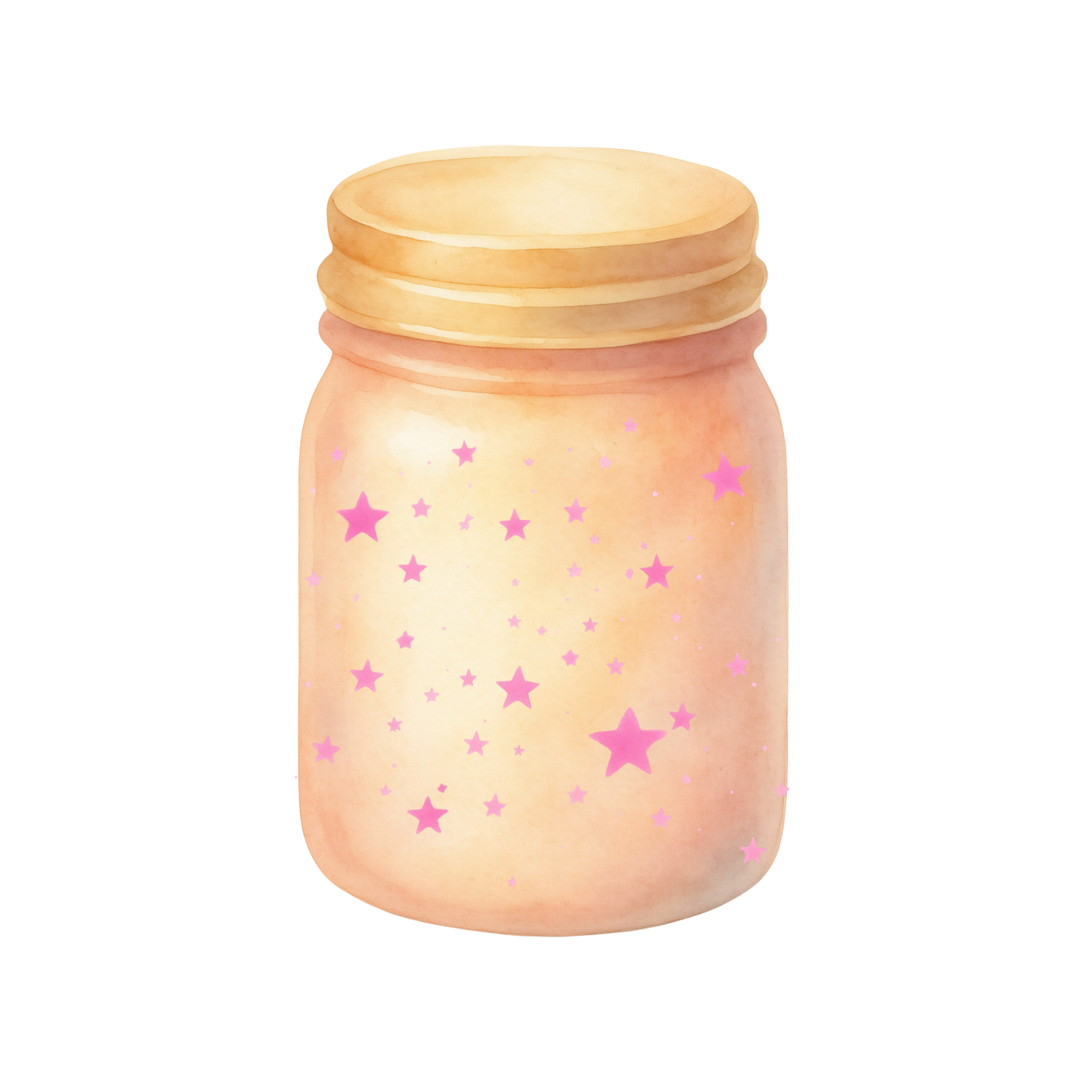
Calm-Down Glitter Jar
A shake-and-watch jar that helps kids breathe through big feelings.
Try this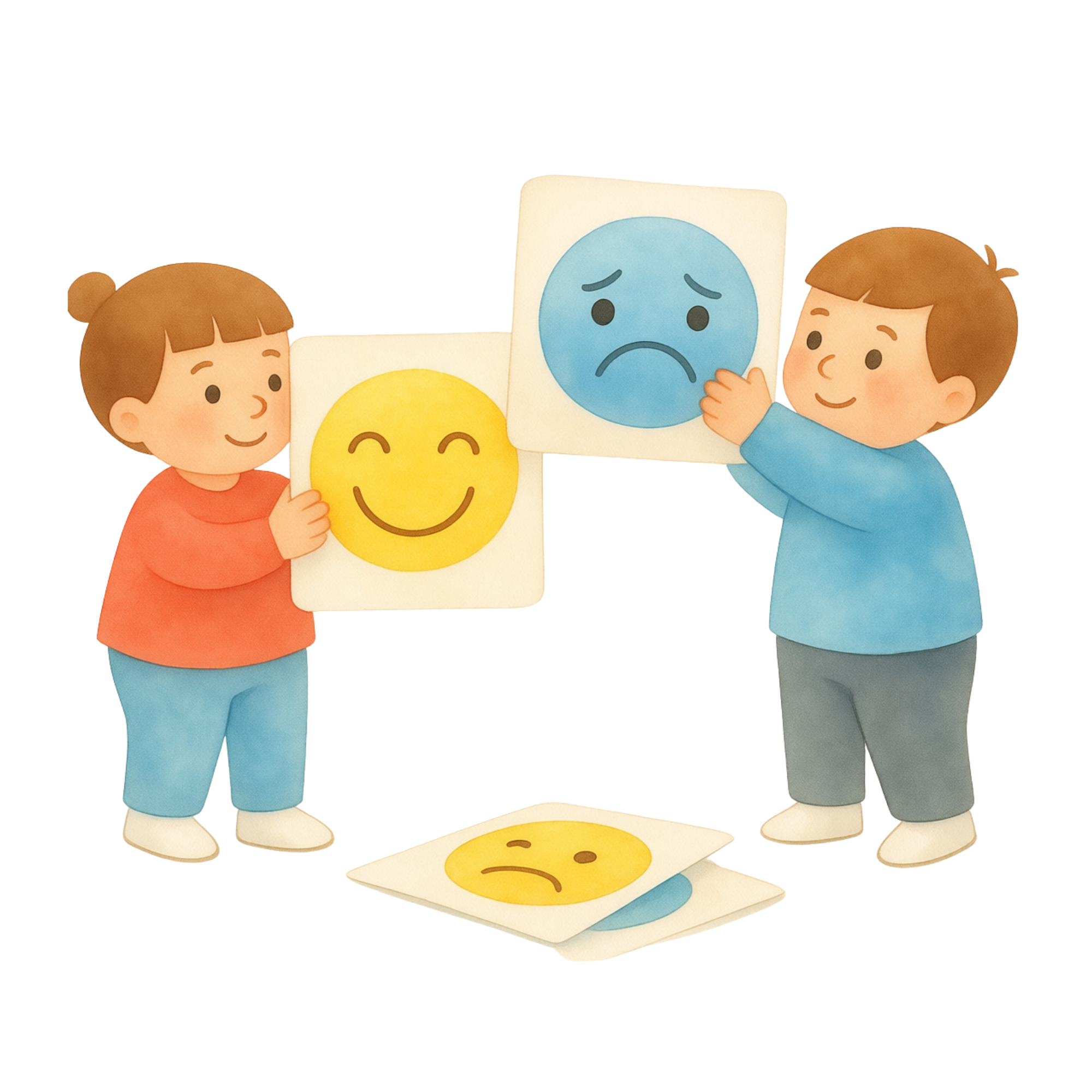
Feelings Faces Flashcards
A printable-style deck that gives kids language for their emotions.
Try this
Worry Monster Jar
A bedtime ritual that turns racing thoughts into something kids can hand over.
Try thisGuided Help built for this topic
Free educational resources anyone can explore — roadmaps, activities, articles, and printables. No sign-up required.
Regulation Roadmap
A free, evidence-informed guide to emotional regulation across ages — no sign-up needed.
ExploreEmotional Regulation Activities
Free DIY activities parents can try today to help kids move through big feelings.
ExploreEmotional Regulation Blog
Practical, OT-informed articles on emotional regulation, meltdowns, and connection.
ExploreFree Printables
Feelings charts, calm-down cards, and emotion vocabulary sheets — free downloads.
ExploreDeepen your knowledge
Emotional Regulation for Kids: A Parent-Friendly Guide
What emotional regulation actually is (in plain English), why it's harder than it looks for little brains, and 20+ practical strategies you can use today. Written by a pediatric OT.
Read guideCo-Regulation for Parents: How to Be the Calm in the Storm
Co-regulation is how kids learn to self-regulate. Learn what it is, what it looks like in real life, and get ready-to-use scripts for the hardest parenting moments.
Read guideHelping Kids with Transitions Without the Meltdowns
Why transitions are the hardest part of a child's day, and 15+ OT-informed strategies to make them smoother — for toddlers, preschoolers, and school-age kids.
Read guideLatest emotional regulation articles
How to Help Your Child Build Emotional Regulation Skills
A pediatric OT's plain-English guide to emotional regulation for kids — what it is, why it's hard, and 7 practical strategies you can use with your child today.
Read moreWhat Is Co-Regulation? A Parent's Guide
Co-regulation is how kids learn to self-regulate. Learn what it is, why it matters, and 10 ready-to-use scripts from a pediatric OT.
Read moreGrab-and-go printable supports
Practical printables you can put on the fridge, in a backpack, or on the wall today.
Emotion Vocabulary Chart
Grow your child's feelings vocabulary beyond mad, sad, and happy.
Browse printablesGo deeper with our parent guides
Written by a pediatric OT. Free starter guides and full complete guides available.
Complete Parent Guide
The full playbook — strategies, scripts, printables, and expert guidance.
Explore the Full GuideKeep exploring emotional regulation
A few gentle next steps parents find most helpful — pick whatever fits your family right now.
Emotional Regulation — full hub
Everything you need to help your child understand, express, and move through big feelings — from an OT.
Explore topicEmotional Regulation for Kids: A Parent-Friendly Guide
What emotional regulation actually is (in plain English), why it's harder than it looks for little brains, and 20+ practical strategies you can use today. Written by a pediatric OT.
Read guideEmotional Regulation activities to try today
Low-prep, parent-friendly DIY activities you can weave into today.
See activitiesEmotional Regulation printables
Charts, cards, and worksheets you can print today.
Browse printablesParent Toolbox
Co-regulation scripts, calm-corner blueprints, and support boards inside the app.
See it in actionComplete Parent Guide
The full playbook — strategies, scripts, printables, and practical implementation.
Explore the Full GuideUnlock unlimited access to Guided Help, personalized recommendations, premium resources, and everything Growing Balanced has to offer.
Frequently asked about emotional regulation
Warm, honest answers to the questions parents ask most.
At what age should a child be able to self-regulate?
Self-regulation develops gradually across childhood and isn't fully in place until the late teens or early 20s. Between ages 4-7 most children can start using simple strategies with adult support (co-regulation). By ages 8-10 many can use tools more independently — though everyone regresses under stress.
What is the difference between a meltdown and a tantrum?
Tantrums are goal-directed — a child wants something, and the behavior often stops when they get it (or lose interest). Meltdowns are overload — the nervous system is overwhelmed and the behavior continues even after the trigger is removed. Meltdowns need calm co-regulation, not consequences.
Do calm-down corners actually work?
Yes, when they're built WITH the child (not as a time-out) and used consistently in calm moments to practice. A good calm corner has a soft place to land, sensory input (heavy blanket, fidgets), and a few emotional support tools like feelings cards.
How do I stay calm when my child is dysregulated?
Your calm IS the strategy. Take one slow breath. Lower your voice by half. Get physically lower than your child. Remind yourself: 'They're not giving me a hard time — they're having a hard time.' Your regulated nervous system literally helps regulate theirs.
Can emotional regulation really be taught at home?
Absolutely — most of it IS taught at home, through daily co-regulation. Growing Balanced includes ready-made co-regulation scripts, breathing exercises, feelings vocabulary, and calm-corner blueprints so parents have practical tools when the moment comes.
What if my child gets aggressive when they're overwhelmed?
Safety first, always. Hold the limit clearly ('I can't let you hit — I'll help you'), get low, and stay close. Aggression is often a sign the sensory + emotional systems are both overloaded. Repair afterwards, and look at patterns — sleep, sensory needs, transitions.
When should I seek professional support?
If big feelings are frequent, extreme, or interfering with daily life well past age 6, reach out to a pediatric OT or child psychologist for individualized support. Growing Balanced is educational — never a substitute for 1:1 therapy.
Parents exploring emotional regulation may also find these helpful
Co-Regulation for Parents
Kids learn regulation by borrowing yours. Real scripts and tools for the hardest parenting moments.
Explore topicSensory Regulation for Kids
Understand your child's sensory needs, then build a calming daily rhythm that works for real life.
Explore topicAttention & Focus for Kids
Help your child build the focus muscles they need — through the body, the environment, and the right tools.
Explore topicReady to take the next step?
Explore practical tools, activities, visual schedules, and parent guides designed to help your family thrive.