Development & Play
Milestone charts are stressful. Your child's development is not a race. This hub brings together everything Growing Balanced offers on healthy, play-based development — from milestone maps to developmental activities to gentle skill-building you can weave into everyday life.
What is development & play?
Your child isn't a problem to solve. They're a nervous system to understand — and support. Growing Balanced gives you the tools to do exactly that.
How this shows up in real life
Development shapes so much of what comes later:
School readiness
Fine motor, language, and executive function all shape how a child experiences their first years of school.
Confidence
Every small mastery — buttoning a coat, hopping on one foot — grows the sense that 'I can.'
Friendships
Social skills develop through play with other kids, not through lectures.
Independence
Self-help skills (dressing, eating, hygiene) grow through practice, not perfection.
Family connection
Play is one of the most powerful ways to bond — and to teach — at every age.
Signs your child may benefit from extra support
These aren't diagnoses — just patterns some parents recognize. If they resonate, this hub is a great place to start.
No words by 15 months, or no 2-word phrases by 24 months
Loss of previously acquired skills at any age
No interest in social interaction or shared attention
Extreme rigidity around routines beyond what's typical for age
Significant motor delays (not sitting, walking, running at expected ranges)
Persistent difficulty with everyday self-help skills past age 5
Practical tips parents can try today
Small, actionable strategies you can weave into today. No prep required.
Follow their interests
Development happens fastest when the child is engaged. Follow, don't lead.
Play outside daily
Trees, dirt, uneven ground, climbing. Outdoor play is a full-body developmental workout.
Read together every day
Vocabulary, sequencing, emotional literacy — a book a day changes brains.
Protect free play
Unstructured play (no screen, no lesson, no adult direction) is developmentally essential.
Talk narrate everyday moments
'I'm chopping the onion. It's slippery. My eyes are watering.' Language grows through exposure.
Use adjusted age for preemies
Subtract weeks early for milestones up to age 2. Standard pediatric OT and physician practice.
Try one this week
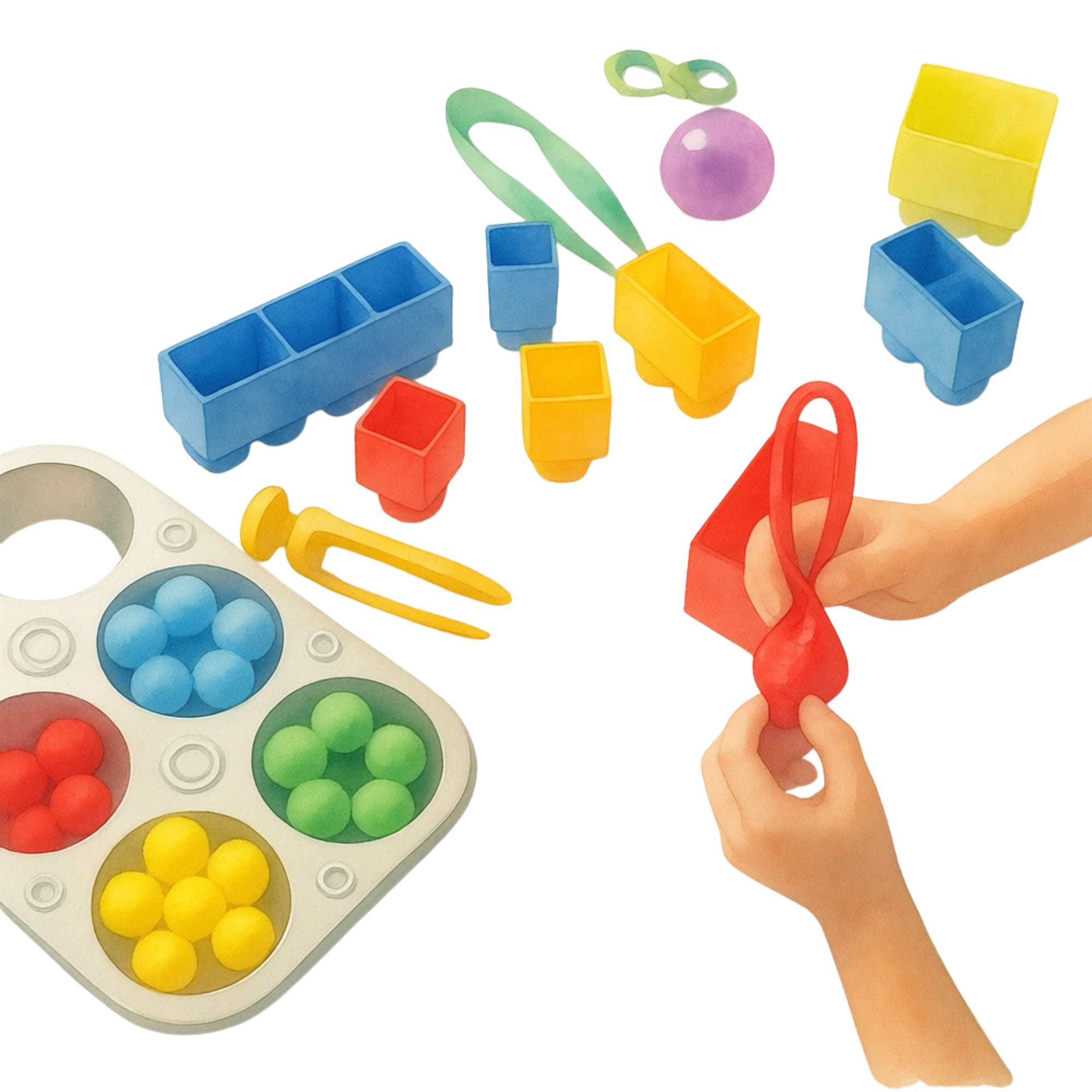
Fine Motor Tweezer Tray
A 10-minute tray that strengthens the muscles for handwriting and self-care.
Try this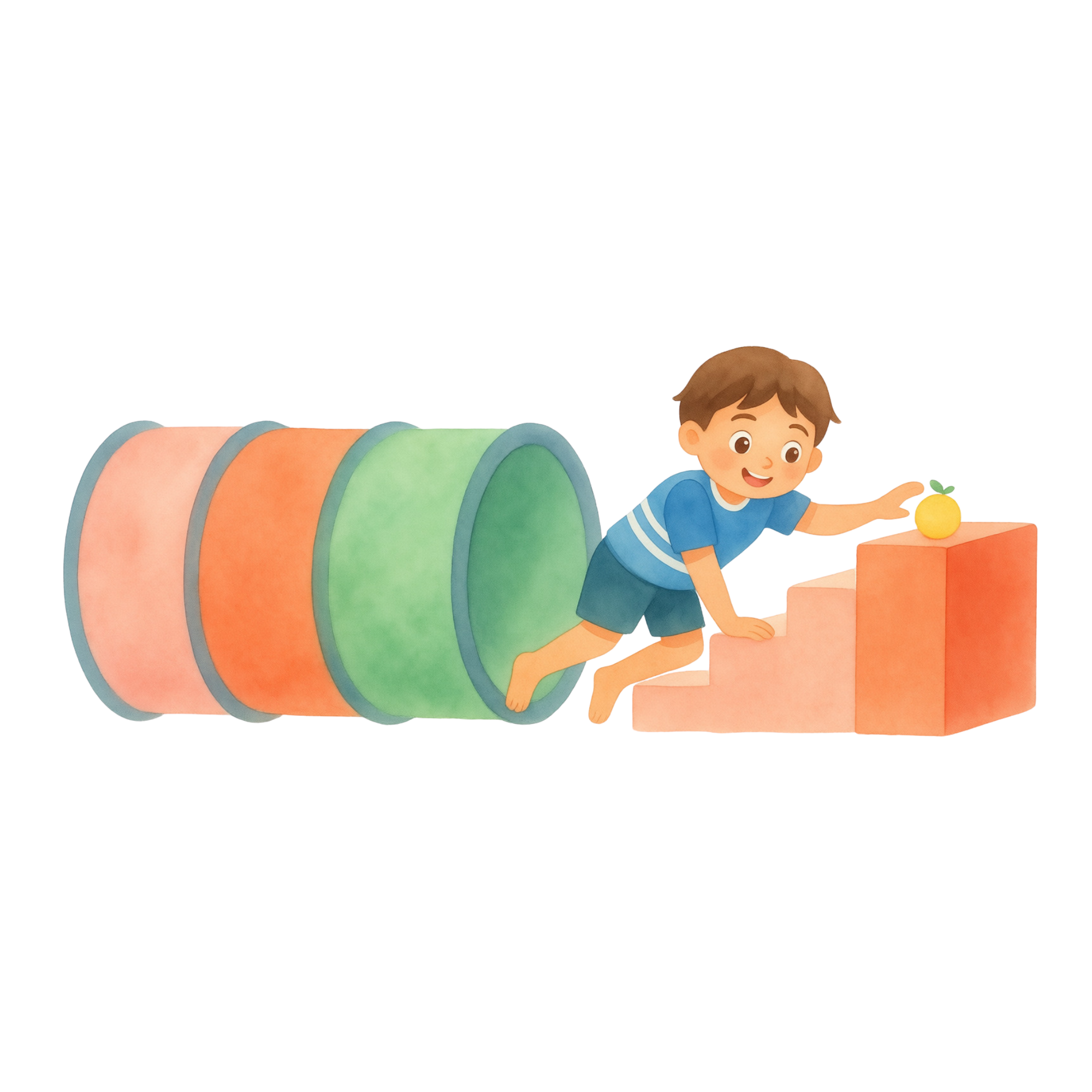
Living Room Obstacle Course
A 10-minute course that builds gross motor strength and connection.
Try this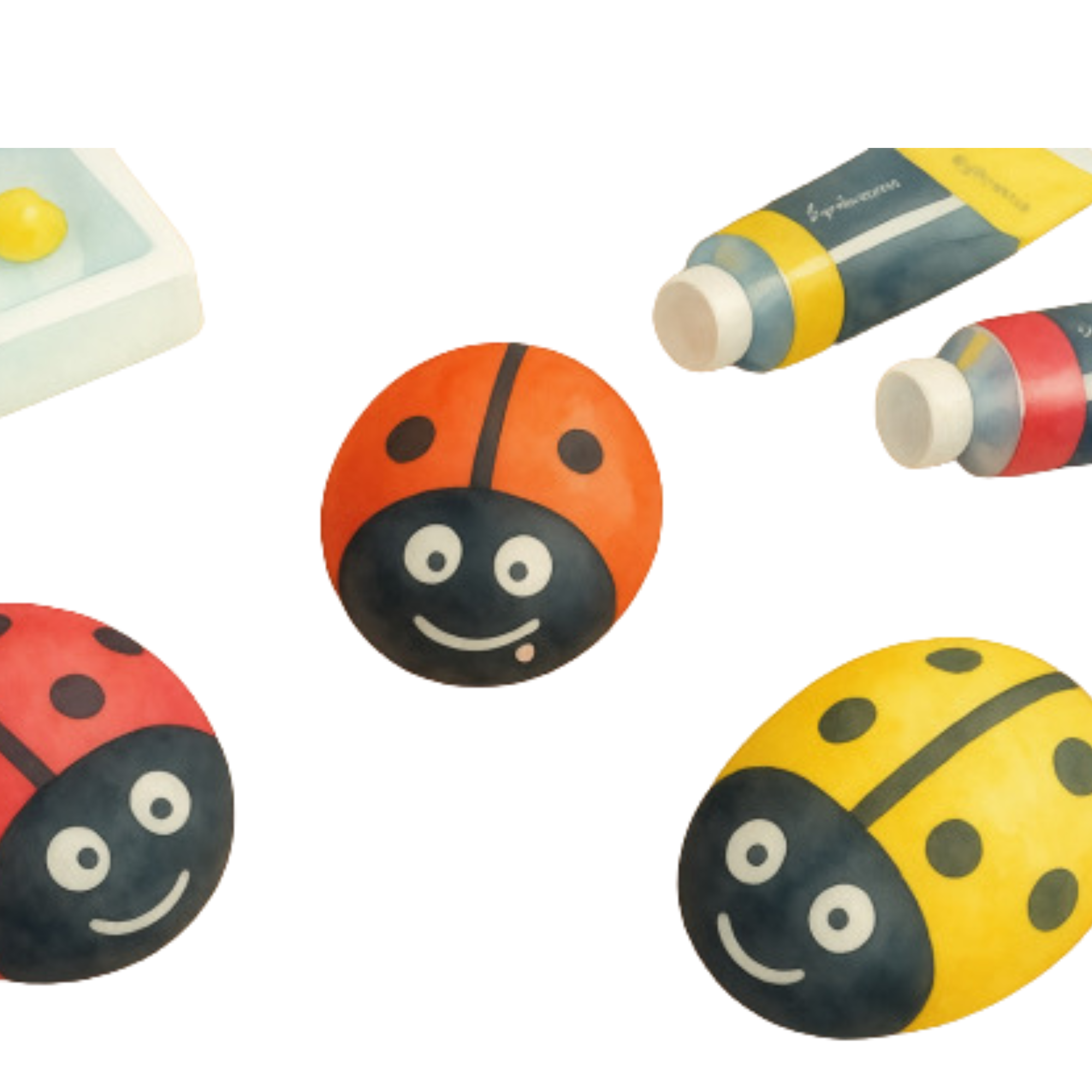
Painted Story Stones
Tiny painted stones that spark imagination and language development.
Try thisGuided Help built for this topic
Free educational resources anyone can explore — roadmaps, activities, articles, and printables. No sign-up required.
Development Roadmap
A free, OT-informed roadmap of childhood development from infancy through school age.
ExplorePlay Activities
DIY play prompts and play-based activities parents can start today.
ExploreDevelopment Tracker Overview
See how Growing Balanced helps you celebrate milestones and everyday growth.
ExploreFree Printables
Milestone snapshots, fine motor cards, and play-prompt printables — free downloads.
ExploreDeepen your knowledge
Child Development Milestones: A Parent's Reassurance Guide
Developmental milestones from birth through age 6 — in plain, parent-friendly language. What to celebrate, what to watch, and what NOT to worry about.
Read guideExecutive Function Skills by Age: What to Expect
What executive function is, how it develops from toddlerhood through high school, and what parents can actually do to support it at every stage.
Read guideLatest development & play articles
Grab-and-go printable supports
Practical printables you can put on the fridge, in a backpack, or on the wall today.
Milestone Snapshot by Age
Age-appropriate developmental checkpoints — reassurance, not comparison.
Browse printablesFine Motor Activity Cards
Grab-and-go printable ideas for pencil grip, cutting, and hand strength.
Browse printablesGo deeper with our parent guides
Written by a pediatric OT. Free starter guides and full complete guides available.
Complete Parent Guide
The full playbook — strategies, scripts, printables, and expert guidance.
Explore the Full GuideKeep exploring development & play
A few gentle next steps parents find most helpful — pick whatever fits your family right now.
Development & Play — full hub
Support your child's development the calm way — through play, not pressure.
Explore topicChild Development Milestones: A Parent's Reassurance Guide
Developmental milestones from birth through age 6 — in plain, parent-friendly language. What to celebrate, what to watch, and what NOT to worry about.
Read guideDevelopment & Play activities to try today
Low-prep, parent-friendly DIY activities you can weave into today.
See activitiesDevelopment & Play printables
Charts, cards, and worksheets you can print today.
Browse printablesDevelopment Tracker
Celebrate milestones and see gentle next steps for your child's growth.
See it in actionComplete Parent Guide
The full playbook — strategies, scripts, printables, and practical implementation.
Explore the Full GuideUnlock unlimited access to Guided Help, personalized recommendations, premium resources, and everything Growing Balanced has to offer.
Frequently asked about development & play
Warm, honest answers to the questions parents ask most.
Is comparison to other kids helpful?
No. Every child develops in a unique pattern. Compare your child to themselves three months ago — not to the neighbor's kid.
What if my child hasn't hit a milestone yet?
Wait a beat. Most milestones have wide ranges. If something concerns you AND persists, mention it at your next well-child visit or reach out for an evaluation. Trust your gut, not just charts.
Should I worry about screens and development?
AAP recommends: no screens under 18 months (except video calls), limited high-quality co-viewing under 5, and screen-free meals + 1 hour before bed. Context matters more than minutes.
How can I support development at home?
Play, read, talk. Move outside. Follow their interests. Provide predictable routines. Sleep well. Model regulation. That's most of it. No expensive class required.
What is developmental coaching?
Growing Balanced's Development Journey is developmental coaching — a parent-friendly way to notice, celebrate, and gently support your child's growth. It's not a screening or diagnosis. For formal evaluations, work with your pediatrician or a pediatric OT.
How much play is enough play?
Multiple hours a day, ideally including outdoor time and unstructured free play. If screens are crowding out play, small daily shifts add up fast.
Are 'baby classes' helpful?
Some are lovely for parent connection and community. Developmentally, though, they're not more effective than warm, engaged everyday play at home. Save your energy — and your money — for what feels good to your family.
Parents exploring development & play may also find these helpful
Emotional Regulation for Kids
Everything you need to help your child understand, express, and move through big feelings — from an OT.
Explore topicSensory Regulation for Kids
Understand your child's sensory needs, then build a calming daily rhythm that works for real life.
Explore topicRoutines & Visual Schedules
Predictable routines calm the nervous system. Visual schedules make them stick.
Explore topicReady to take the next step?
Explore practical tools, activities, visual schedules, and parent guides designed to help your family thrive.