Emotional Regulation
A pediatric OT's practical intro to helping your child ride through big feelings without breaking connection.

Inside this free guide
- Why emotional regulation is a slow-grow skill — not a switch kids can flip
- The 3 layers of regulation (body, brain, and connection) and why they all matter
- Signs your child is dysregulated — before they hit a full meltdown
- 5 co-regulation moves you can use in real time
- What to say (and skip) during a big feeling
- How to build a calm-down toolkit that actually gets used
Built for real families.
Ages 2–10
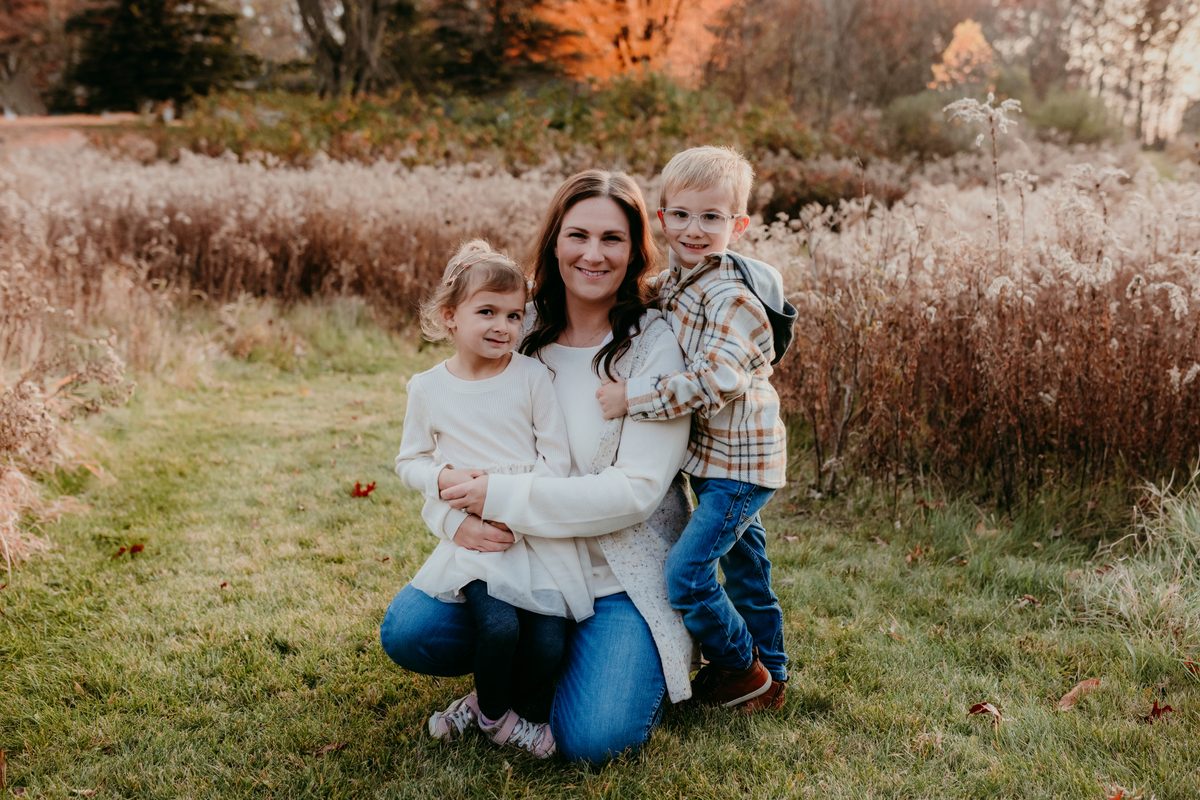
Meet Kelsey
Pediatric Occupational Therapist · Founder, Growing Balanced
I'm Kelsey — a pediatric OT and mom. I built Growing Balanced because so many of the families I worked with kept saying the same thing: "This is helpful, but I need it in a way I can actually use on a Tuesday morning."
So that's what this is. Practical, evidence-informed OT strategies packaged for real parenting — not textbooks, not lectures. My hope is that every guide, every article, and every tool here leaves you feeling a little less overwhelmed, and a little more confident.
Grab your free copy — sent straight to your inbox.
No account required. We'll email you the 5-page PDF plus an occasional note when we publish something new (unsubscribe anytime).
Three ways to go deeper
Everyone starts somewhere. Pick the depth that fits your family right now.
Best for getting started
A quick, parent-friendly intro. Read it in one sitting — try one strategy this week.
Explore related articles
More strategies, examples, and practical tips across the Emotional Regulation for Kids hub.
Most comprehensive
The full workbook: printable worksheets, tools, and complete OT strategies for real families.
The guide teaches. The app helps you use it every day.
Build the routines this guide describes into real family life — with visual schedules, sensory activities, co-regulation scripts, and progress tracking, all in one place.
- Regulation Roadmap
- Calm-corner builder
- Co-regulation scripts
- Feelings check-ins
Keep reading from the Learning Library
Emotional Regulation for Kids: A Parent-Friendly Guide
Emotional regulation is the ability to notice a big feeling and move through it without being swept away. For kids, it's a slow-growing skill they build by borrowing your calm — again and again, over years of practice, with zero shame and lots of connection.
Co-Regulation for Parents: How to Be the Calm in the Storm
Co-regulation is the process of helping a child return to a calm, regulated state by using your own calm voice, body language, breathing, and presence. Children learn to self-regulate by first experiencing regulation through a trusted adult — thousands of small moments across the years of childhood.
Helping Kids with Transitions Without the Meltdowns
Transitions are hard because they ask kids to stop, shift, predict, and manage disappointment all at once — four executive-function skills at the same time. Visual timers, first-then language, and a soft-ending → sensory bridge → soft-beginning framework make them dramatically smoother.
Questions parents ask before downloading
Everything you might want to know before entering your email.
Is this really free?
Yes. Enter your email and we'll send you the PDF — no card, no trial signup.
What ages is this for?
It's written for parents of children roughly 2–10, but the strategies scale up and down. Toddlers, preschoolers, and elementary-age kids all benefit from the co-regulation concepts inside.
Will this help children with autism or ADHD?
Yes. The guide is neurodiversity-affirming and every strategy is drawn from pediatric occupational therapy. Kids with autism, ADHD, sensory differences, or anxiety often benefit the most.
Can teachers use it?
Absolutely. Many teachers, therapists, and school counselors share this guide with the families they work with.
Do I need the Growing Balanced app to use the guide?
No. The guide stands on its own. The app is optional — it just makes it easier to build the routines and supports the guide describes into everyday life.
Ready to try one thing this week?
Download the guide. Try one small change. See how it feels.